
At the Dawn of All Things
Crisis 1 – How it was meant to be
Where do we begin? Not with ourselves. Not even with the story of Israel. Not even with Bethlehem’s manger. John’s Gospel takes us right back: before history, before atoms, before light itself. “In the beginning was the Word, and the Word was with God, and the Word was God. Through him all things were made; without him nothing was made that has been made.” Before a single grain of dust existed, Christ was.
This is not abstract poetry. It is the bedrock of our faith. The Word, who later took on flesh in Jesus of Nazareth, is the same One whose creative power called galaxies into being. Colossians 1 says it plainly: “For in him all things were created: things in heaven and on earth, visible and invisible … all things have been created through him and for him.” Christ is not simply part of creation, not simply a figure in history. He is the source, the origin, the shaper. If you trace every river back to its spring, every story back to its first line, every heartbeat back to its spark … you find him.
Notice how personal this is. Creation is not an accident, not a random collision of forces. It is the work of divine intention. The hands of Christ, we could say, were already at work before Bethlehem, forming, shaping, ordering. And that changes the way we see the world around us. Think of the stars you glimpse on a clear night. Think of the delicate veins in a leaf, the intricate design of a bird’s wing, the astonishing complexity of your own body. Every detail speaks of design, not chance. It tells us that the world is not just matter, but meaning.
And because it is Christ who creates, creation bears his character. John calls him the Word - the Logos - the divine reason and order that gives coherence to everything. Creation reflects Christ’s intention. This is why it matters. The universe is not just big; it is good. It is good because it was made in and through the goodness of God’s Son.
And here is the wonder: this vast, cosmic Christ is not distant. The same hands that shaped stars and seas would one day touch lepers, break bread, wash feet. The Creator comes near. That is where this series will lead us in the weeks ahead — but it begins here: with awe. Awe before a Christ whose hands are not just healing or serving, but creating.
When we confess with John, “Through him all things were made,” we are saying: life is intentional, personal, loved. The world is charged with the presence of Christ, and so are you. You are not an accident. You are created, held, willed, loved — by the One who was there at the dawn of all things.
The Distortion of Creation
Crisis 2 – How it is
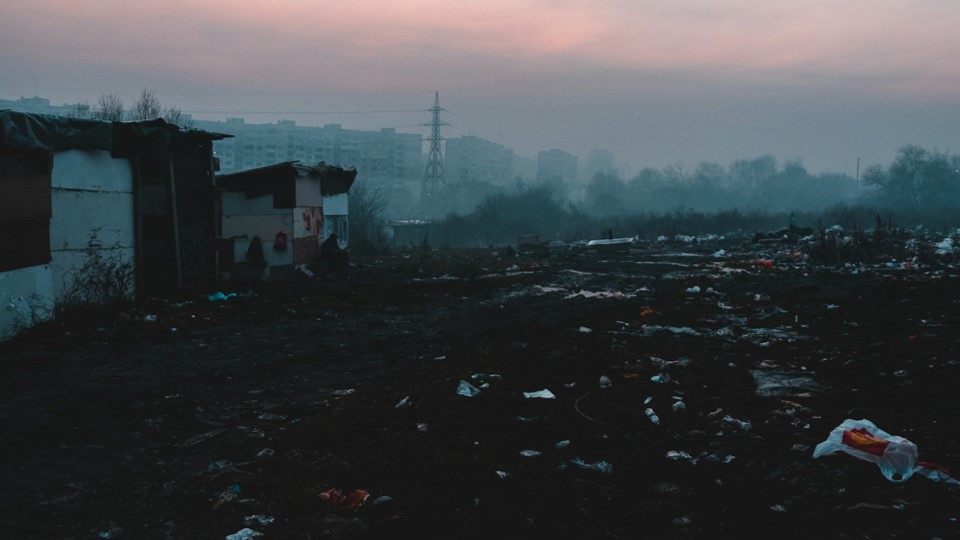
If creation begins in such beauty, how do we explain the mess? Why does the same world that sings of Christ’s goodness also cry out in pain? The Bible is honest about this. Human beings, made to join God’s creative work, too often distort it. Instead of cultivating, we consume. Instead of stewarding, we exploit. Instead of shaping beauty, we tear down.
Think for a moment about our own hands. They can build homes, paint pictures, cook meals. But they can also make weapons, tear down forests, hoard resources. The same human ingenuity that gives us life-saving medicine also gives us life-destroying bombs. The hands that could lift someone up in love are so easily clenched into fists. We see this distortion in the daily news: environmental crisis, wars, oppression, division. But we also see it closer to home: in relationships that break down, in words that wound, in careless neglect of those in need.
Creation itself groans under the weight of this misuse. Paul says in Romans 8 that “the whole creation has been groaning as in the pains of childbirth right up to the present time.” The distortion is not just human hearts; it is the earth itself, scarred and strained by our actions. We were called to steward, but we often exploit. We were made to cultivate, but we so easily destroy.
And yet the story does not collapse into despair. Even in naming the distortion, Scripture insists on the goodness of creation’s origin. The distortion is real, but it is not the whole story. What’s striking is that Colossians 1 tells us, “In him all things hold together.” Even in the face of human misuse, Christ’s sustaining presence is not withdrawn. Creation is cracked, but it is not abandoned.
That tension is important for us to feel. We should not paper over the brokenness. To say that Christ is Creator is not to deny the suffering and chaos we see. It is to recognise how far we have fallen from the intention of his hands. The brokenness tells us something about ourselves: we are not always creators, but destroyers. Our hands, left to themselves, cannot bring the world back into harmony.
So this section of the story leaves us with a searching question: whose hands will shape our lives? Will they be clenched into fists of self-interest, or opened to join Christ’s sustaining, renewing work? If we forget the distortion, we will not understand the call. But if we forget the Creator, we will lose hope. To hold both together is to see clearly: the beauty of creation, and the tragedy of its misuse. And that prepares us for the next movement, where we turn to the One who not only created in the beginning, but even now sustains and renews all things.
Christ the Sustainer and Renewer
Resolution 1
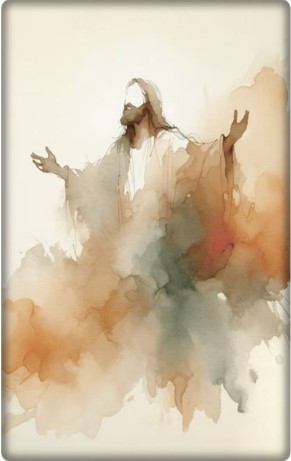
When we look at the brokenness of creation, it would be easy to imagine God simply stepping back, washing his hands of the mess we’ve made. But that is not who Christ is. Colossians 1 makes this breathtaking claim: “He is before all things, and in him all things hold together.” The Christ who made the world has not abandoned it. He sustains it still.
Think about that: every breath you take, every heartbeat in your chest, every orbit of the planets is not a machine running on its own but an act of ongoing grace. Creation is not just a past event but a present reality. Christ’s creative hands are not folded; they are active, sustaining, renewing, holding.
This means that even though human sin has distorted creation, Christ remains at work within it. He is not distant, not disengaged. He enters into the brokenness to hold it together. That is why we can still glimpse beauty in a world scarred by sin. The song of a bird, the kindness of a neighbour, the healing of a wound … all these are signs of Christ’s sustaining presence. They are not illusions but reminders that creation has not lost its anchor.
And not only sustaining, but renewing. Christ’s presence in creation is like a stream running through a dry land, keeping life alive until the rains come. Wherever people choose to align their hands with his purpose - when someone plants a tree, repairs what is broken, reconciles a relationship, creates art, or feeds the hungry - we see his renewing work breaking through. The world is not beyond hope because Christ is not absent.
This has profound pastoral meaning. It means you are not held together by your own strength. When everything in your life feels like it is falling apart, Colossians whispers: “In him all things hold together.” Not by your grip, but by his. It also means that no act of creation, no work of beauty, no labour of justice is wasted. Christ takes our faltering efforts and weaves them into his renewing purposes.
So where the distortion of creation creates a tension in us as we recognise the groaning of the world, a vision of who Christ is should offer us assurance. For He has not let go. The one who shaped the universe continues to shape it now. And that means there is hope: for our world, for our communities, for our very lives.
This hope is not a vague optimism. It is grounded in the present work of Christ. Creation may be cracked, but it is not collapsing. Life may be wounded, but it is not abandoned. Because in him, in Christ, all things hold together.

Our place in the story
Resolution 2
But this story is not complete until we ask: where do we fit in?
Paul answers in 1 Corinthians 12:27: “Now you are the body of Christ, and each one of you is a part of it.” If the body of Christ is in the world, then so are his hands. That means you and I are not spectators in this story. We are participants. We are invited to place our hands into the service of the One who made and sustains all things.
Think of what that means in practical terms. Christ’s hands shaped the world for life and beauty. So when we use our hands to create beauty, in art, in music, in cooking, in gardening, in design, we reflect him. Christ’s hands ordered creation for flourishing. So when we work for justice, protect the environment, defend the vulnerable, build peace, we echo his sustaining order. Christ’s hands cared tenderly for the least and the lost. So when we serve with compassion, when we bless, when we offer hospitality, we continue his renewing presence.
This calling is not reserved for the gifted few. Every hand matters. A carpenter’s hands, a mother’s, a son’s, or a friend’s hands, a doctor’s hands, a cashier’s hands, a caretaker’s, a volunteer’s and a student’s hands: each can mirror the creative, sustaining work of Christ. Our lives may never shape galaxies, but they can shape homes, communities, and hearts. The small things we do in faith are gathered into his greater work of renewal.
Of course, there is a challenge here too. Our hands are not always clean. We know the temptation to use them selfishly, destructively, carelessly. That is why discipleship means continually offering our hands back to Christ, asking him to cleanse, direct, and use them. The good news is that he takes ordinary, faltering hands and makes them instruments of his extraordinary grace.
So the epic story of creation is not a distant tale. It is our story. We are created by Christ, sustained in Christ, and now commissioned as Christ’s hands in the world. The call is simple but demanding: live as creators, not destroyers. Shape life rather than diminish it. Join the work of cultivating beauty, stewarding the earth, building justice, blessing others.
And so we finish where we will finish each week in this series: with the invitation to echo him. As Jesus’ hands did, so we too must. His hands created, sustained, renewed. Let ours do the same - in worship, in work, in witness - until the whole creation sings again of the One who was there at the dawn of all things.