The Empty Basin
Detail 1
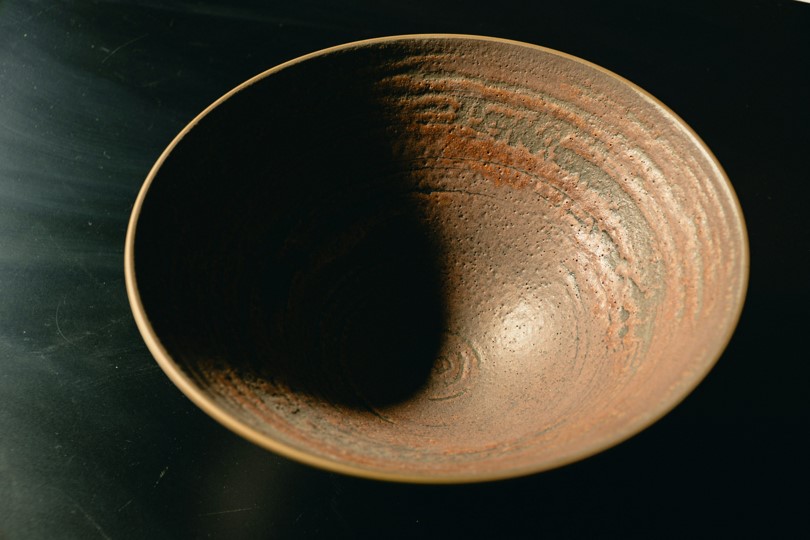
The room is prepared. Cushions are laid out. The meal is ready. Bread and wine sit on the table. Yet something remains undone. By the door, in the corner of the room, sits the basin and the towel. Everyone sees it. No one moves. Because to pick up the basin is to admit your place. It means you are lowest. The one who kneels. And so, each disciple stays seated, quietly hoping someone else will break first. The basin waits.
The story begins here: in the pause before movement. That little silent space where need is obvious and love has not yet acted.
And that is where many of our stories begin too. For us, as an online congregation scattered across towns and villages, cities and coastlines, there are basins waiting in our own places. In our corps buildings, community centres, neighbourhood streets, workplaces, living rooms. Acts of kindness unseen. Needs no one wants to touch. The quiet tasks beneath status. The empty basin beside the door.
If we look closely, we see them:
– The co-worker no one takes time to listen to.
– The neighbour whose bins are never brought in.
– The family member who always serves but is never served.
– The church rota no one volunteers for.
– The young parent who just needs one hour’s rest.
Small, ordinary, unglamorous things. And yet they sit like that basin: visible to all, but untouched.
We might imagine faith as something loud, dramatic, full of miracles and music. But often it begins with the same quiet stillness as that upper room. A need. A towel. A pause.
And maybe you have felt it: that moment when your heart nudges, your conscience stirs. You see the basin. You sense the Spirit’s whisper: this one is yours. But you hesitate. Because to serve is to lower yourself. To choose hiddenness over recognition. To take a posture the world never rewards.
The basin is still waiting.
The Water Poured
Detail 2
John tells us that Jesus knew who He was. He knew the Father had placed all things under His authority. He knew where He had come from and where He was going. In other words, He was not uncertain, insecure, or scrambling for status. He possessed all power — and therefore, He was free to lay it down.
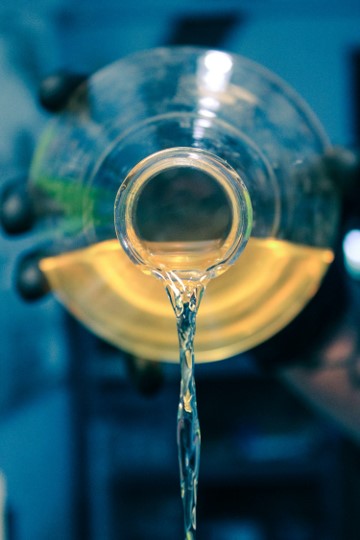
So He stands. He removes His outer garment. He takes up the towel. And then, quietly, He pours water into the basin.
It is such an ordinary sound … water meeting an empty bowl … yet in that moment heaven bends toward earth. True power does not remain seated while others wait. True power knows that the small things are in our control as much as the big things; the lowly acts are as much a choice as the mighty ones. A basin is as important as a throne, and a towel as glorious as a crown when they are held in the hands of Christ.
This is love in motion. Not love as emotion or idea, but love expressed in sleeves rolled up, in knees on the floor, in hands extended towards dirt and need.
Power in the world is often shown by how much we can command. Power in the Kingdom is shown by how much we can serve. The world tells us that great people do great things — but Jesus shows that great people do small things with great love.
And notice — Jesus moves first. He does not wait for someone else to act. He does not wait for the disciples to deserve it. He simply rises and does what love requires.
For us, scattered across our respective towns, this is both challenge and comfort. We may not control governments, economies, or national decisions. But we do have power over a cloth, a cup of tea made for someone tired, a message of encouragement sent at the right moment, a meal delivered, a floor swept, a prayer whispered when no one sees. These are not lesser things in the Kingdom — they are often the beginning of transformation.
So the water is poured. The silence lingers. And the disciples watch, unsure of what to do with a God who kneels.
Feet Washed
Detail 3
The water is ready. The basin is full. And then the unthinkable happens.
Jesus kneels.
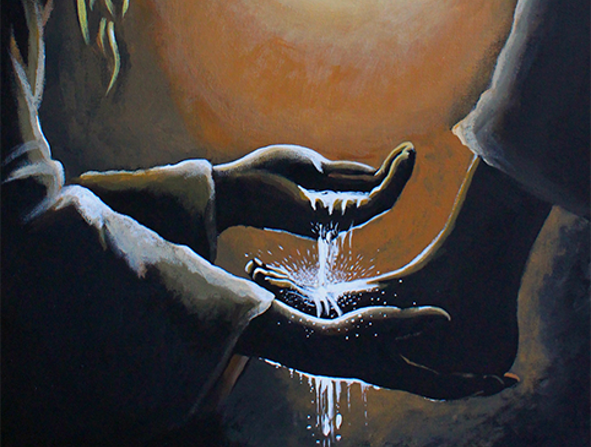
The hands that shaped galaxies now reach for calloused toes. The One who holds every star in place now holds the foot of a fisherman. One by one, He begins to wash. Dust and sweat and road grime are wiped away by the same hands that once lifted a child, healed a leper, broke bread for thousands.
This is not just an act of kindness — it is an act of revelation. It reveals who God is and how God loves.
And then comes Peter.
Peter, loud-hearted and honest, says what everyone else is thinking: “Lord, are you going to wash my feet?” It is the voice of embarrassment, of discomfort, of pride. We prefer to serve rather than be served. Serving lets us stay in control — but being served means admitting we have needs.
Jesus answers, “You do not realise now what I am doing, but later you will understand.”
Still Peter refuses. “You shall never wash my feet!”
Jesus replies, “Unless I wash you, you have no part with me.”
This is the heart of it — before we can serve like Jesus, we must be served by Jesus.
Before we can offer grace, we must receive it.
Before we can take up the basin (any basin) and serve, we must first surrender our pride.
Even more astonishing — Jesus washes Judas’ feet as well. The feet that will soon walk into the darkness of betrayal. Jesus does not exclude him, does not retract His love. Grace touches even the one who will walk away.
Friends, this is a hard lesson for us. We like activity, work, usefulness. But the gospel begins not with our hands doing, but with Christ’s hands cleansing. The church does not exist because we serve Him … it exists because He first served us.
So let us consider: Where do we resist being loved? Where do we refuse help, forgiveness, kindness? Where do we say, like Peter, “Not me, Lord”?
Because only washed feet can wash feet. Only those who have been humbled by grace can kneel in grace.

[ ... The basin ... ] passed to us
Whee
The water stills. The last pair of feet is dried. Jesus stands, puts His outer garment back on, and returns to His place at the table.
But everything has changed.
The disciples are silent. No one quite knows where to look. They have seen the shape of God in a towel and a basin. The room still smells faintly of water and dust — and humility.
And then Jesus speaks.
“Do you understand what I have done for you?”
“You call me Teacher and Lord — and rightly so, for that is what I am. Now that I, your Lord and Teacher, have washed your feet, you also should wash one another’s feet.”
This is not a suggestion. Not an optional activity for the spiritually enthusiastic. It is a commissioning. A handing-over. The basin that sat untouched in the corner is now placed in the hands of the church.
That includes us — scattered across our own towns, logging in from living rooms, kitchens, care homes, and chapels. Whether we wear a uniform, a work shirt, school clothes, or pyjamas, the call is the same: take up the basin.
Feet still need washing. People still need dignity, love, lifting.
And not only literal feet, but weary souls, tired carers, isolated neighbours, restless teenagers, grieving parents, exhausted shop workers, forgotten elderly — the ones who walk the dusty roads of life beside us.
To wash feet means to see the person beneath the dirt. To choose compassion over comfort. To give time, attention, forgiveness, practical help — even when it goes unnoticed.
And some of us may ask, “But what if no one thanks me? What if they take advantage? What if I am already tired?”
Then remember: Jesus washed feet hours before His betrayal, trial, abandonment, and cross. The love that kneels is not naive, but courageous.
Others may say, “But I have nothing grand to offer.”
Then hear this: God does great things through small hands. A phone call. A lifted chair. A meal cooked. A prayer whispered over someone’s name. A listening ear. These are basin moments.
So let us not return the basin to the corner.
Let us carry it into our homes, our corps, our streets, our routines.
Because the story is not finished until we live it.
As Jesus’ hands did, so we too must serve.