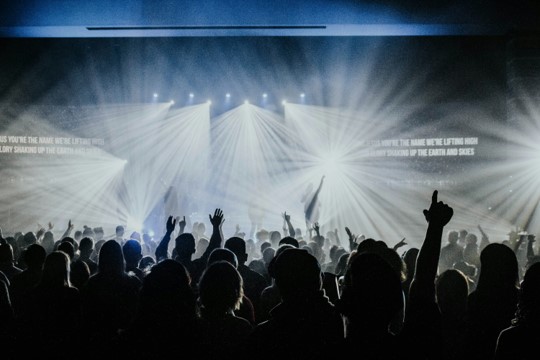
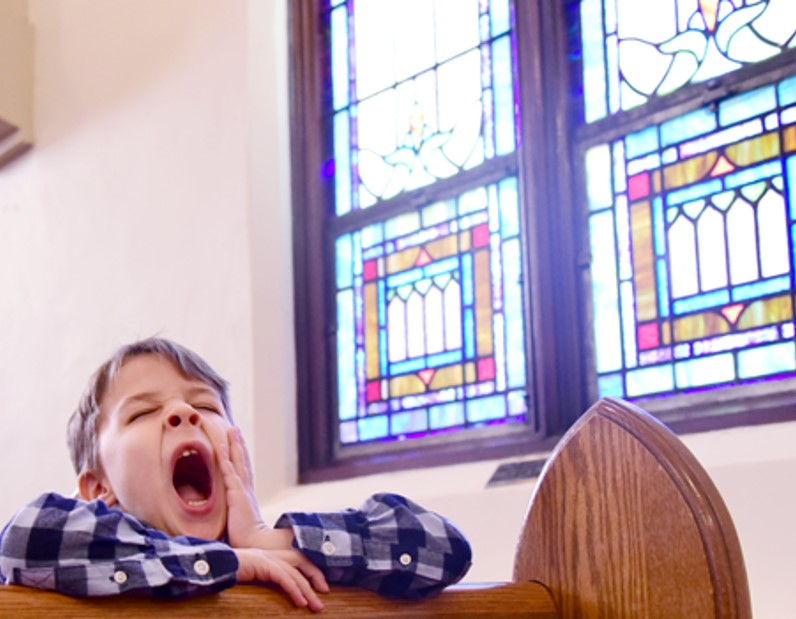
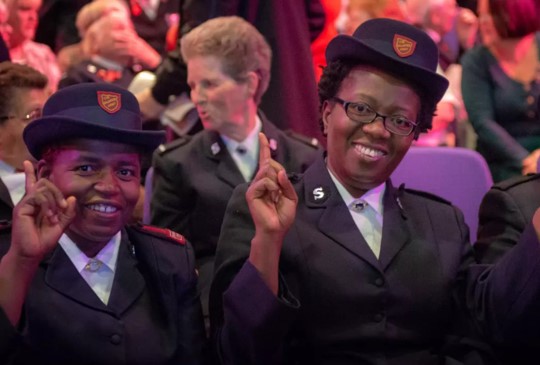
There’s a tension running right through Amos 5, and it starts with something that should seem positive: Israel’s religious life is thriving. People are worshipping. The temples are busy. The songs are being sung, the festivals are happening, and the offerings are flowing. In fact, from the outside looking in, Israel seems like a nation deeply committed to God.
But God isn’t impressed.
He sees what they cannot. He hears their worship, but it rings hollow. He watches their processions, but they are empty of heart. What looks like faithfulness on the outside is, in God’s eyes, a façade.
This is the ache behind Amos’ voice: “Seek me and live!”. Why would God need to say that to a people who already think they’re seeking Him? Because they aren’t. Not really. They’re seeking religion, comfort, tradition, even status—but not God Himself. Worship at Bethel, Gilgal, and Beersheba continues, but God’s presence is absent.
And before we distance ourselves from Israel, let’s pause. This isn't just their issue. It’s ours too. In our Salvation Army world, we’ve inherited a rich tradition—uniforms, bands, flags, structures, Sunday meetings. But the same danger lurks: that all of it could continue in perfect order… while our hearts are quietly drifting. Could our outward busyness mask an inward hollowness
Could it be that we, too, sometimes mistake activity for intimacy?
Amos opens the door to a hard question: Is it possible to be religiously active, yet spiritually disconnected? God says yes.
And that means something’s wrong. Something serious.
When God Gets Pushed to the Edges
Ugh!
Israel’s problem isn’t just that their worship feels hollow. The real issue is why it’s hollow. Amos names it plainly: the people have replaced their relationship with God with a ritual system. Bethel, Gilgal, Beersheba—these were places full of religious memory. Sacred stories were tied to these sites. Miracles had happened there. God had met with His people there before. But now? These places have become distractions. Echoes of something that used to be alive—but no longer is.
They are still going to “church,” still bringing offerings, still holding meetings… but they’ve stopped seeking God.
“Seek the LORD and live,” Amos cries, “or he will sweep through like fire.”
This isn’t just poetic imagery. It’s a warning. Ritual without relationship is not neutral—it’s dangerous. Because it gives us the illusion of being right with God while keeping us distant from Him. And we need to ask—honestly—how close are we to this same trap?
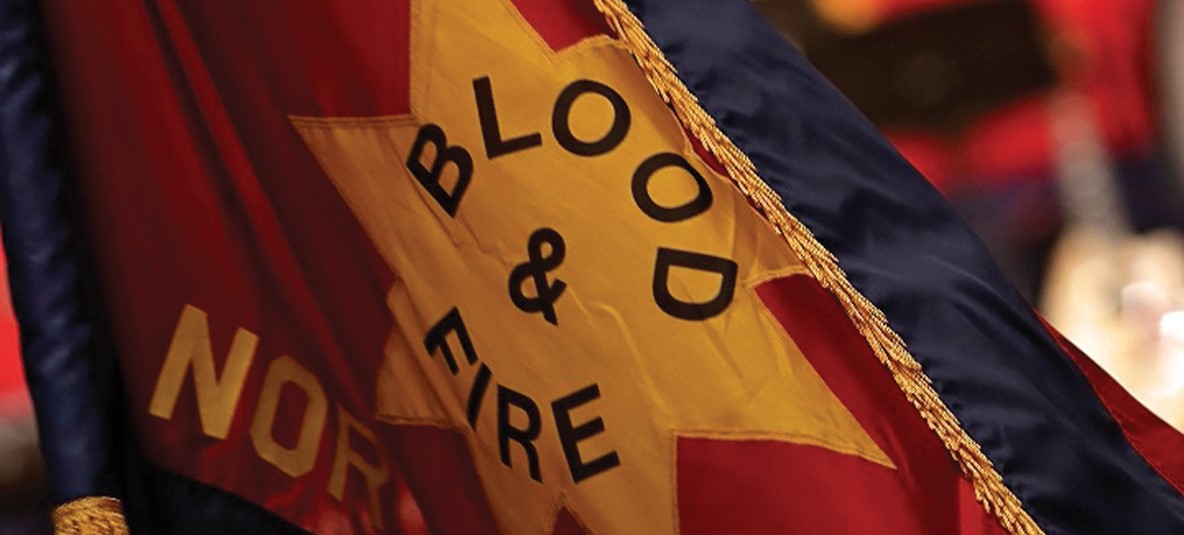
In the Salvation Army, we’ve been blessed with powerful traditions. But if the uniform becomes more about identity than surrender… if the band becomes about performance instead of praise… if “Blood and Fire” becomes a motto on a flag rather than a lived-out reality, then we, too, have wandered into hollow places.
There’s nothing wrong with sacred traditions. But when we let them stand in place of seeking God—listening to Him, walking with Him, obeying Him—we’ve made the same tragic trade as Israel.
The trouble runs deep not because the practices are wrong, but because the passion is gone. And once passion is gone, tradition becomes a shell. The form is still there—but the fire is out.
A Prophet’s Disruptive Clarity
Aha!
Then comes the prophet’s voice—clear, bold, disruptive.
“Seek me and live.”
Just four words. But they are a thunderclap in a sky that’s been quiet too long.
Amos isn’t offering more ritual. He’s not calling for better music, stricter observance, or cleaner uniforms. He’s cutting straight through the noise and saying: God doesn’t want your performance. He wants your presence.
Seek ME. Not Bethel. Not Gilgal. Not Beersheba. Seek the living God, not the sites where He once moved. Seek the living God and look past the religious motifs that you have constructed.
This is a radical word for people who thought they were already close to God. They were seemingly doing all the right things—but the prophet says: you’ve mistaken movement for meaning.
That’s the startling truth:
-
You can be active in ministry and absent in spirit.
-
You can attend every meeting and still not be seeking God.
-
You can hold onto sacred forms—and lose the fire.
This is the moment the illusion is shattered.
The people thought their problem was political instability or economic hardship. But Amos shows them: no, the real crisis is spiritual. The rituals may be running just fine, but the relationship has broken down. And God says, “I want YOU. Not your noise, not your schedule, not your hustle. I want your heart.”
And if we’re listening—really listening—then we can hear the word coming to us, too.
It’s not a call to throw away tradition. It’s a call to fill it with meaning again. To rediscover the voice of God in the sacred routines. To not settle for the symbols and to insist of finding the Source.
Seek me and live.
It’s not a slogan. It’s a wake-up call.
Alive Again: When Faith Breathes
Whee!
More than that: it’s an invitation.
A rescue rope. A light on the path. A spark to dry bones.
Amos isn’t tearing down religion just to leave rubble behind. He’s clearing the path for something better: a living faith that actually breathes.
Life, not just activity. Fire, not just smoke. Relationship, not just religion. Where our traditions become launch pads for encounter inviting us into a vibrant relationship: daily, deepening, dynamic.
Imagine what it could be like:
-
When worship isn’t just something the church does on Sunday, but is something that shapes its Monday.
-
When prayer isn’t a script, but a sacred space where God speaks and listens.
-
When our rhythms, our songs, our symbols—all become vessels, not veils.
We don’t throw out tradition. We fill it.
Because tradition at its best is like a fireplace—beautiful, solid, reliable. But a fireplace without fire? Cold. Pointless. Decorative. Tradition without Spirit is the same. But when the fire of God’s presence is lit again inside our worship, our serving, our seeking—it warms the room. It lights the house. It changes the atmosphere.
This is what it means to “seek God and live.”
It means opening our rituals to renewal. It means moving from religious comfort to spiritual courage. It means asking—not just “What did I do today?” but “Did I meet God today?” This is living faith. Not a checklist, but a conversation. Not a monument, but a movement. Not maintenance—but mission.
It’s the kind of faith the Salvation Army was born to live:
Raw. Real. Ready.
Fuelled by the fire of God’s Spirit—not just the fumes of tradition.
Seek me and live.
When we seek God, we find life—not just survival, but Spirit-filled purpose; and there’s joy in that life. Energy. Purpose. Passion.
This is the revival God longs to spark—when faith is awake again and his people are living deeper, with Him at the centre.
Let “Blood and Fire” be more than a motto
Yeah!
What might it look like—if we truly sought God and lived?
What if “Blood and Fire” weren’t just on our flags and signs — but burning in our bones?
What if the Salvation Army congregation became known once more not just for uniforms or meetings or music, but for a living flame—of justice, mercy, and God’s presence?
Amos says, “Seek me and live.” Not “Seek me and sing.” Not “Seek me and show up.” Not even “Seek me and get busy serving.” Just seek me—and life follows.
Imagine the power of a people so consumed with God's presence that even their traditions begin to burn with new meaning. The sacred becomes alive again, not because we preserved it—but because we reinhabited it with faith and fire.
What if Sunday gatherings weren’t the culmination of our religious life, but just one moment in a week soaked in God’s voice and pursuit? What if testimonies weren’t about “what God did back then,” but what He’s saying now?
What if our marching wasn't just symbolic—but prophetic? What if our uniforms didn’t just identify us—but inspired people to ask, “Who are these people so full of fire and love?”
That’s what happens when we lean into real faith. That’s what happens when we make the motto the message of our lives. When the “Blood” that covers us also compels us; when the “Fire” that purifies us also propels us.
Let’s not settle for the illusion of religion. Let’s not cling to the shell when God offers the flame.
Let the Army burn again—not with noise, but with truth. Not with history, but with holiness. Let “Blood and Fire” be more than a motto.
So let’s refuse the illusion of religion.
Let’s seek Him—not merely what reminds us of Him.
Let’s bring the fire of a real relationship into everything we do – and especially into our Monday mornings and our Wednesday afternoons, into our shopping trips and conversations and our working and volunteering encounters, and our social media presence – into everything that we do.
And let’s remember: the world doesn’t need more religious people. It needs spirit-filled people. People who are walking, talking, burning with the love of a living God.
So:
Seek Him. And live.
Live with a faith that isn’t boxed into buildings or bound to habits.
Live with a holiness that isn’t smug, but magnetic.
Live with love that spills over—not just within, but outward, for the sake of the world.
Seek Him. And live.
This is not the end of the sermon. This is the beginning of the invitation.
Seek Him—and see what life might become.