Some moments feel ordinary until you realise you’ve stepped behind the curtain.
Amos wasn’t in a temple. He wasn’t even dreaming. One moment he was watching the wind over the fields, the next — seeing. Not with his eyes, but with something deeper. It was like a veil being pulled aside, and for the first time he glimpsed what heaven sees.
No thunder. No voice. Just a stillness… and then the curtain lifted.
He expected judgment to roar. But instead, it was quiet — precise, almost tender. A strange kind of workshop. A gathering, not a chaos. And what he saw being gathered chilled him more than any storm: locusts.
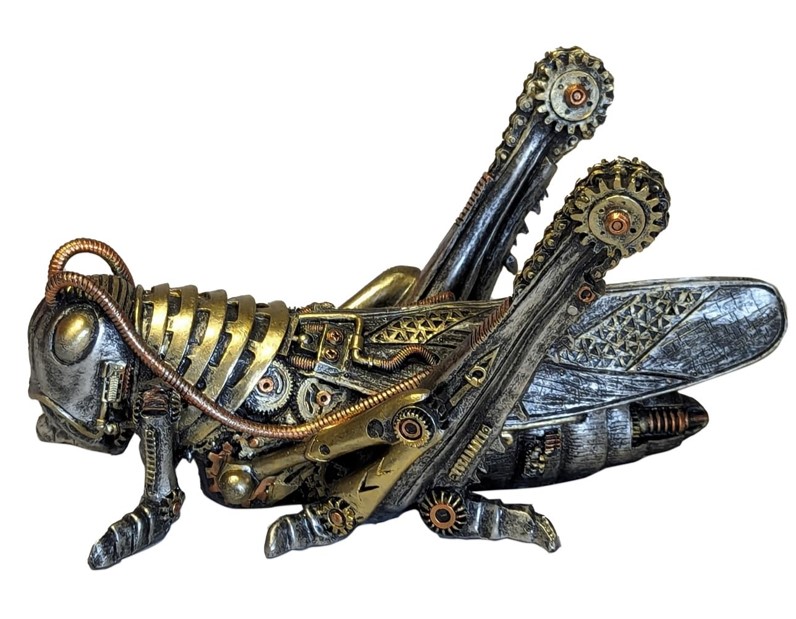
But these were not the ones he knew from his childhood — not yet. They weren’t swarming. They were forming. God was not summoning a plague from the edges of the earth. He was building it, one limb at a time. Abdomen, antennae, translucent wings, rising and slotting into place.
It was almost beautiful.
And that’s what made it terrifying.
Because it meant this was no accident. This wasn’t nature gone wild. This was intention. This was purpose. And they were coming sooner than anyone imagined — before the people could endure it. Amos didn’t know what to say.
He stood in the space between the seen and unseen — staring at divine judgment, handcrafted like an artist preparing an unthinkable masterpiece. This was not vengeance. This was revelation.
And in that moment, as the vision settled like dust around him, Amos knew:
The people saw no danger. But the locusts had already begun to gather.
What the Prophet Saw
Interruption 2
Amos 7:1 begins simply:
“This is what the Lord God showed me: he was forming locusts when the latter growth was just beginning to sprout…”
But behind that quiet sentence is a thunderclap. The verb matters: forming. Not sending, not allowing — forming. This is no act of distant detachment. Amos is pulled behind the scenes to witness God’s own hands at work.
The language recalls the intimacy of Genesis — when God formed the human from dust. But here, instead of shaping life, God is shaping judgment. Still creative, still deliberate — but devastating. This isn’t wrath out of nowhere. It’s response. It’s reckoning.
And the timing is just as loaded: the latter growth, after the king’s mowing. Amos sees this just as the people’s hopes begin to sprout — a moment already strained by injustice.
Amos’s response is remarkable. He doesn’t shout. He pleads:
“O Lord God, forgive, I beg you! How can Jacob stand? He is so small!”
This isn’t protest. It’s intercession — rooted in mercy, not merit. Amos doesn’t defend Israel’s behaviour. He appeals to God’s character.
And here comes the surprise.
God relents.
The vision ends not with destruction but with divine mercy. “It shall not be,” says the Lord.
But the curtain has been opened. And Amos knows now: even mercy has limits. God does not warn for entertainment. He warns to awaken.
The locusts were forming. But not just in the fields — in the soul of a nation that had stopped listening.
The Timing of the Swarm
Interruption 2
Amos doesn’t just see locusts. He sees when they are being formed.
“... when the latter growth was just beginning to sprout — after the king’s mowing.”
It’s such a small detail. Easy to skip past. But prophets don’t skip past timing. Amos sees the moment. The critical window.
In ancient Israel, the first cut of the harvest often went to the crown. The king took his due. The “latter growth” was what remained — what the people hoped would feed them, keep their animals alive, carry them through. The vulnerable lived off the second growth.
And just when that hope starts to sprout, Amos sees God shaping locusts. Not throwing them in anger. Forming them in silence.
This is divine timing — deliberate, unsettling, and deeply revealing.
The swarm doesn’t come when Israel is strong, but when the weak are holding on. It’s as if God is saying: You’re fine with injustice when you’re not the one going hungry. But what happens when you’re the one left waiting for the latter growth?
There’s a discomfort here. We want God’s mercy to mean protection — that if we’re just good enough, spiritual enough, faithful enough, the swarm won’t reach us. But God’s concern is not always our comfort. It’s our clarity. Our formation.
The vision isn’t about agricultural disaster. It’s about spiritual exposure. God lets Amos see what no one else does — that judgment starts taking shape not in public announcement but in unnoticed moments. Quiet timings. Hidden assemblies.
We often ask God to protect our plans. But what if God is forming something that interrupts them?
What if the moment you thought was about harvest was actually about repentance?
This vision peels back that illusion. The field you thought was yours — even the second cut — was never truly under your control. The God who formed humanity from dust still holds the dust. Still commands the swarm. Still cares more for a clean heart than a full barn.
Locusts Assemble
Story
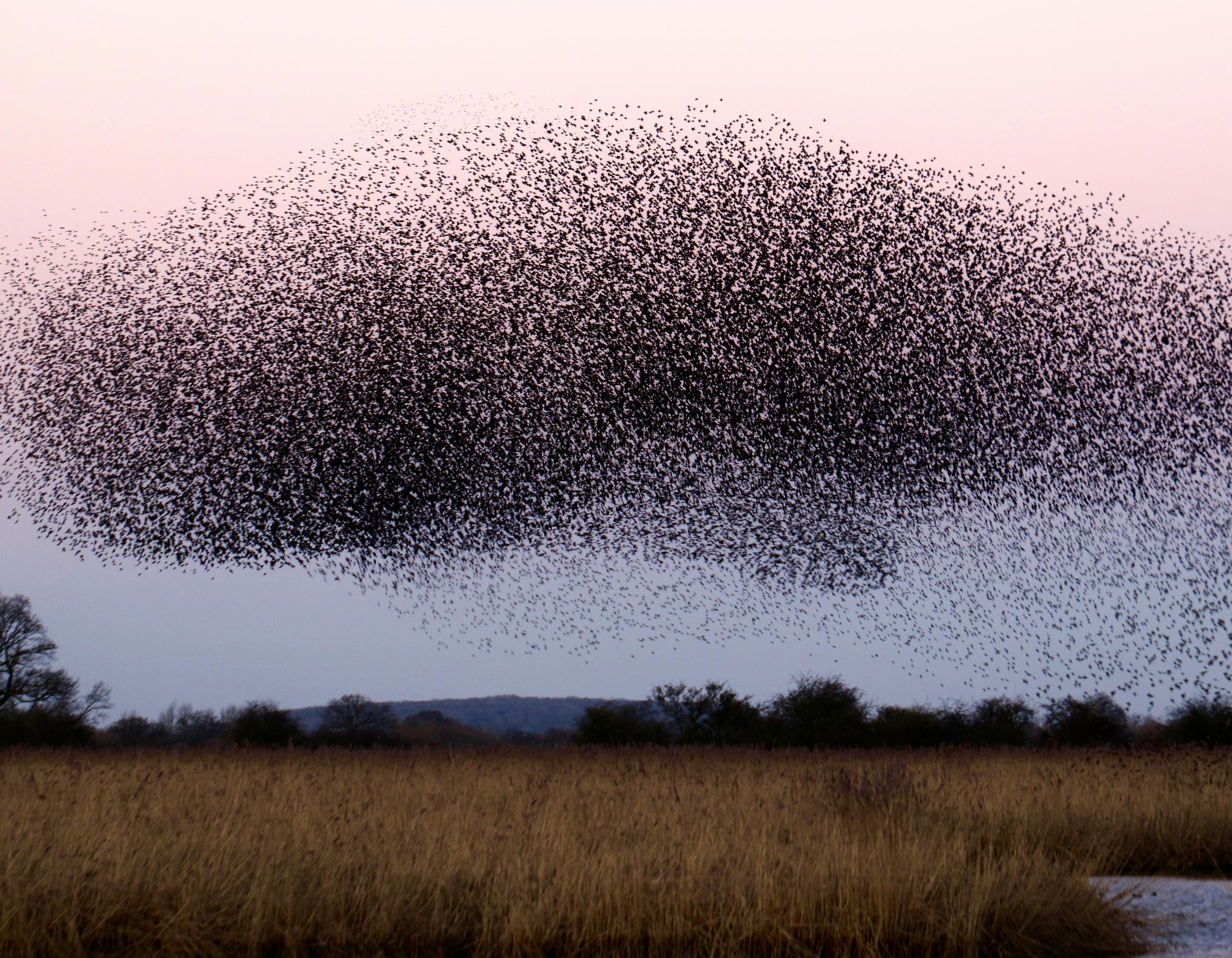
You can almost hear it — the subtle, eerie sound of clicking legs and flicking wings. One locust is unnerving. Ten is troubling. But a swarm? That’s terror.
And yet Amos doesn’t just see the swarm. He sees its assembly.
“The Lord was forming locusts…”
They don’t just appear. They’re gathered, constructed, readied.
It’s a terrifying inversion of Genesis. A new “assembly” — not of saints or stars, but of insects. Tiny, relentless, united.
“Locusts Assemble” could almost be a battle cry. And maybe that’s the point. Just as Elisha’s servant once saw the hills filled with the army of the Lord, Amos sees another kind of host — not sent to defend, but to dismantle. Not to protect Israel’s illusions, but to strip them away.
We prefer to see what builds us up. What grows churches, what blesses nations, what multiplies abundance. But sometimes God shows a prophet what undoes. The forces already moving. The machinery of consequences already humming.
And the question lingers:
What is God forming in our day?
Are we still assuming the fields will yield just because they did last year?
Are we still singing the old songs, expecting the new harvest?
Or will we — like Amos — dare to plead, and pray, and maybe turn, before the swarm takes flight?
What Kind of God Forms Locusts?
Interruption 3
It’s a haunting image, isn’t it?
Not just that God allows locusts. But that God forms them.
We’ve grown accustomed to thinking of God as a builder of beauty — the One who shapes galaxies, crafts vineyards, writes Psalms through poets. And yet, here, God assembles judgment. Not in wrathful rage, but with purposeful deliberation.
So what kind of God forms locusts?
A holy one. A patient one. A God who doesn’t let the machinery of injustice spin on forever without intervention. A God who sees what we hide. Who notices when worship becomes performance, when praise conceals exploitation, when the harvest is skewed toward the palace and the poor are left waiting for the second cut.
But — and here is the grace — God shows this to a prophet before it happens. This is not condemnation, it’s revelation. An invitation to see what’s assembling behind the scenes.
God lets Amos in on the secret.
He pulls back the curtain.
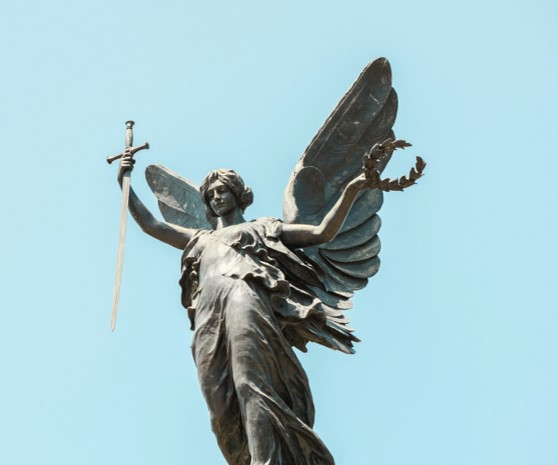
It’s reminiscent of that moment when Elisha prayed for his servant: “Lord, open his eyes that he may see.” And suddenly, the hills blazed with angel armies.
Here, the vision burns with different fire — but it’s just as clear: God wants his people to see. Not just the threat of locusts, but the heart of a God who reveals, warns, and listens.
Because when Amos pleads, God relents.
This isn’t just a story of judgment. It’s a story of intercession. Of holy pause. Of divine willingness to hold back the swarm for the sake of one voice lifted in prayer.
This is the God we serve.
Not a destroyer. But not a passive spectator either.
A God who assembles locusts… and listens when we finally open our eyes, and our mouths, to respond.
Pull Back the Curtain
Interruption 4
The vision ends — not with disaster — but with a moment of mercy.
But only because someone saw.
Only because someone spoke.
Amos steps into the breach not as a professional prophet, but as someone who’s been given sight. Who’s had the curtain pulled back. And that changes everything.
Maybe Pentecost does the same for us.
It is, after all, the moment when the Spirit tears the curtain for everyone — when the visions aren’t just for prophets and kings, but for sons and daughters, old men and young women. It’s when you see what God is doing. What God is forming. And when you’re invited to speak into it — not with empty words, but with bold intercession and humble repentance.
William Booth saw it too. A day when religion would lose its Spirit, when heaven would be promised without hell, when salvation would be sold without regeneration.
That future is here.
But it doesn’t have to be final.
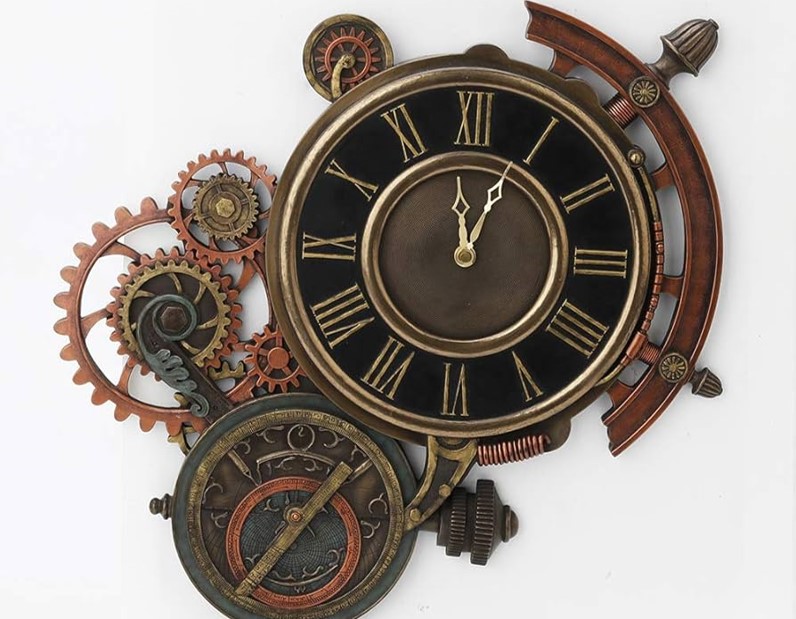
God is still pulling back the curtain. Still assembling messengers as well as locusts. Still calling people to see — really see — what time it is.
So open your eyes.
Look beyond the field.
Listen for what’s forming.
And when you see the swarm begin to gather — pray like Amos.
Because sometimes, when God reveals the storm, it’s not to send it.
It’s to stop it.