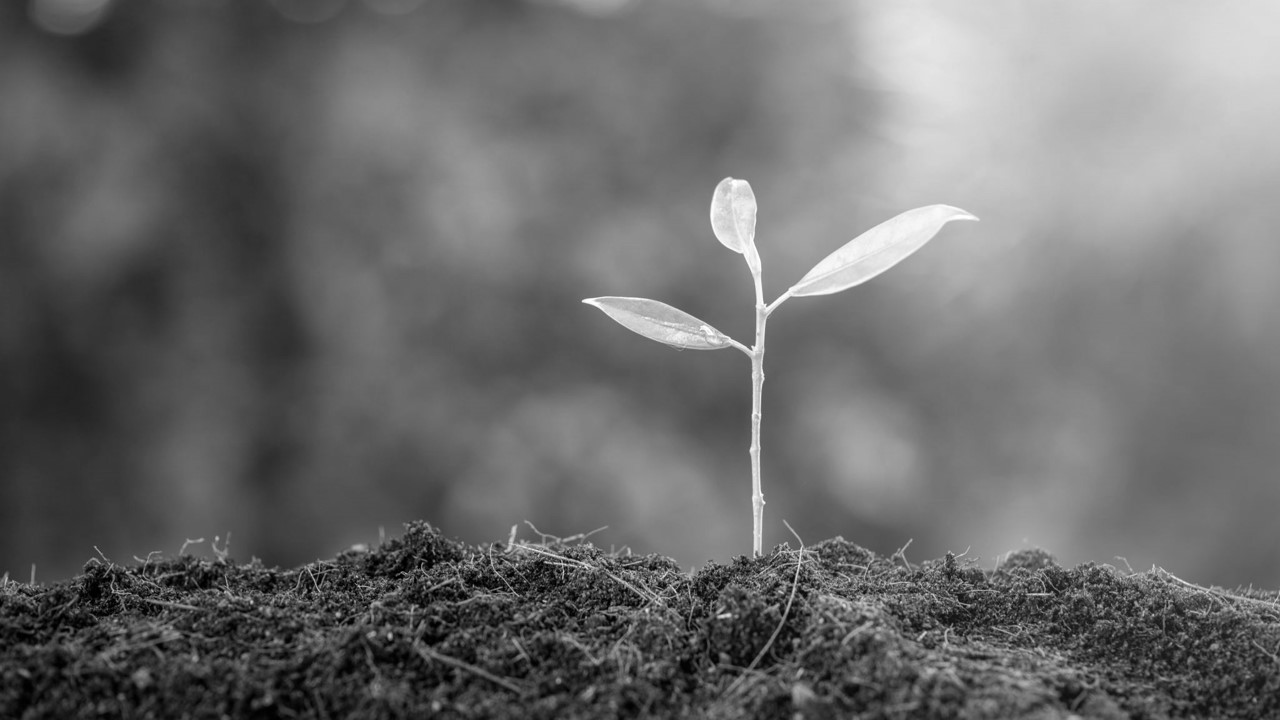
God plants things in us: gifts, callings, longings, virtues.
Somewhere in your story, something was planted. Maybe it was a calling you couldn’t yet name. A curiosity you couldn’t explain. A passion that seemed too risky to pursue. A gift you didn’t ask for but couldn’t ignore.
God plants seeds.
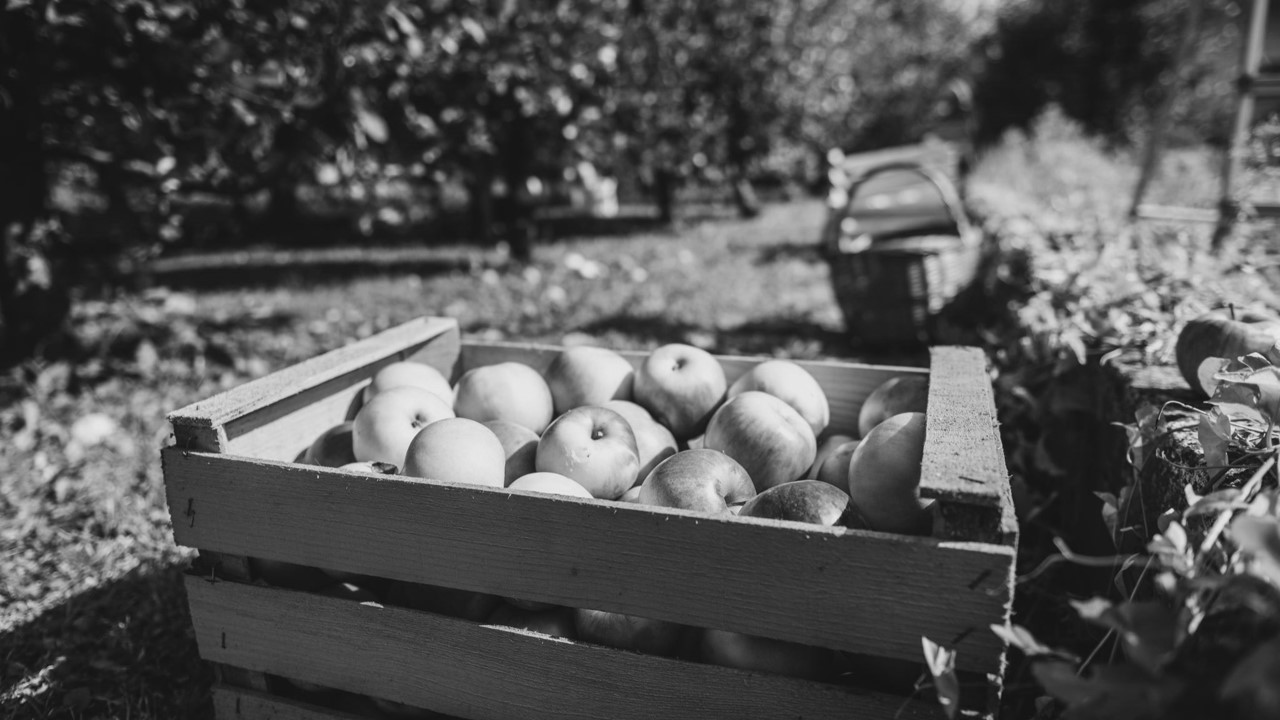
In Amos 8, God shows Amos a basket of summer fruit — ripe figs. It seems like a simple image, even a pleasant one. But it’s not just about fruit. It’s about what happens when what has been seeded reaches its season.
The Bible is full of agricultural metaphors — seeds, soil, rain, growth — because fruit is never random. A fig tree doesn’t produce olives. A vineyard doesn’t grow cucumbers.
We don't get to choose every circumstance of our lives, but the fruit we bear grows out of what’s been planted. God has sown something in you — not just talent or skill, but character. Compassion. Courage. Perseverance. Wisdom.
But here's the thing: seeds are potential, not guarantee. A seed is possibility, not proof. It still needs the right environment to grow. What’s in you now may not look like much — but God already sees its fruit.
So let me ask you:
What seeds has God placed in you this season? What quiet beginnings is he nurturing? Because whatever it is… it's growing.
Ripening
Slow Interior Development
Ripening is mysterious.
It happens slowly—quietly. Sometimes imperceptibly. You check the fruit one day, and it’s firm and green. The next, it's blushing with colour and ready to fall into your hand. The change was always happening, but you couldn’t see it.
That’s how formation works. That’s how we ripen. Through time spent in prayer—where the roots of our spirit deepen. Through the press of community—where we learn to forgive, to trust, to love. Through wrestling with Scripture—where old ideas get pruned and new truths begin to blossom. Through daily life—its trials and detours, its tenderness and tension—where grace softens us and conviction strengthens us. And all the while, God is watching. Not with suspicion, but with the attentiveness of a gardener who knows what will come.
The Apostle Paul writes that “the fruit of the Spirit is love, joy, peace, patience, kindness, goodness, faithfulness, gentleness, and self-control.” Notice: fruit, not traits. This is about something organic, growing, cohesive—something alive. And like all fruit, it takes time.
Here’s the truth: ripening is inevitable. You are ripening—whether towards sweetness or bitterness. Whether towards generosity or guardedness. You are ripening—whether in joy or resentment, trust or cynicism. It doesn’t just depend on what’s planted in you—it depends on what you allow to nourish you.
And just like a tree doesn’t eat its own fruit, your life is meant to produce something that’s not just for you. But before we can ask what fruit you’ll offer, we must ask: What kind of ripening is happening in you right now? Not what people can see. Not what you post online. But in the hidden places—your affections, your habits, your unspoken reactions—what’s growing? Because something is. And soon, it will be seen.
Harvested
the Critical Window for Action
Every fruit has its moment.
There’s a point when the colour deepens, the skin softens, and the aroma almost calls to you. Pick it too early, and it’s hard and sour. Leave it too long, and the sweetness fades, replaced by softness that signals the start of decay. Farmers call this the window of readiness—and once it passes, you can’t get it back.
Amos’s vision of a basket of summer fruit carried exactly that message for Israel. They had ripened as a nation—but God saw that the moment for repentance, for turning back, for aligning with His purposes, was now. Not later. Not “when things calmed down.” Now.
We each have moments like that in our lives. A conversation that’s been on our hearts, and the other person is open—this week, this day—but not forever. An opportunity to serve that fits who we are and what God has given—but it will not sit there indefinitely. A prompting from the Spirit that is meant for now, not eventually. If we miss those moments, the loss is not only ours. A fruit that stays on the tree past its time may fall to the ground unused. That sweetness that could have nourished someone else? Gone.
And here’s the sobering truth: God’s harvest moments are not guaranteed to come again. We may get second chances at some things—but others are truly one-time seasons. A missed harvest is a missed blessing, for you and for those who might have tasted its fruit.
So the question becomes: Am I attentive to my moment of readiness? Or am I so distracted, so cautious, so comfortable, that I let fruit hang untouched until it begins to turn? Because if God has placed something in you for such a time as this, the clock is ticking.
And then the time comes:
The harvest is in hand. The fig is ripe. The moment is here. And we come to a fork in the road.
The fruit can be gathered, shared, enjoyed—its sweetness nourishing others, its purpose fulfilled.
Or… it can be set aside, ignored, forgotten. And the same sweetness that could have blessed will, in time, ferment into something bitter.
This is not inevitable. Fruit doesn’t choose to rot—it rots because it’s left alone. Israel stood in this moment. God’s basket of fruit was full. But what would they do with it?
And we stand here too. The question is not just what is ripe in you right now, but what will you do with it?
Spoiled
Neglect and Missed Seasons
Fruit doesn’t go back to unripe.
Once it passes the point of readiness, its journey is only in one direction—toward breakdown. What was once firm becomes mushy. What was once fragrant becomes sour. What was once nourishing becomes dangerous.
Israel’s “basket of summer fruit” looked fine from the outside. The colours were still bright. But God’s verdict was clear: the end has come. Under the skin, something had already shifted. The fruit was no longer fit for its purpose.
The same can happen to us.
Faith that is never exercised becomes brittle. Compassion that is postponed hardens into apathy. Kindness unspoken turns into regret. Opportunities to serve, if consistently ignored, leave us self-absorbed and spiritually dull.
This is why delayed obedience is not harmless—it’s decay in slow motion. The sweetness God intended for others begins to leak away.
Sometimes, we mistake outward appearances for inner health. Like Israel, we can look fine in the “basket” of public life—still attending worship, still using the right words—yet inwardly be past our prime because what God grew in us has never been shared.
Amos’s vision is a warning: rotting fruit can’t be made sweet again. But it is also a mercy, because God tells us while there is still time to act. He doesn’t want to watch what He has planted in us go to waste. If we sense that the sweetness is fading, the answer is not despair—it’s to bring the fruit to Him now. To let Him make use of what’s left before the rot sets in fully. Because the truth is, spoilage is not inevitable. It happens when the harvest is ignored.
And the good news? We’re still in the moment of decision.
Shared
for the Nourishment of Others
The purpose of fruit is never just to look good on the tree. It’s meant to be picked, eaten, enjoyed, and to nourish life in others. When Amos saw that basket of summer fruit, the tragedy was that it was going to waste. All that sweetness, all that potential—never fulfilling its purpose.
In God’s design, the sweetness in you isn’t for you!
Your patience is meant to ease someone else’s burden. Your wisdom is meant to guide another’s step. Your resources are meant to bless those in need. Your joy is meant to lift the weary.
And in the beauty of God’s economy—fruit given away doesn’t leave you with less. It multiplies. The tree that offers its fruit becomes the source of seeds for another season.
Sometimes we hold back because we think, “I’m not ready yet” or “What I have isn’t enough.” But ripe fruit is enough for the moment. A fig doesn’t have to be perfect to be sweet—it just needs to be offered before it spoils.
Jesus Himself told us, “By this my Father is glorified, that you bear much fruit.” He didn’t just mean internal goodness. He meant visible, tangible blessing—acts of mercy, words of truth, deeds of love that can be tasted in real life. And when that fruit is shared, the sweetness of God’s kingdom is tasted in homes, workplaces, schools, and communities. People get a glimpse of His goodness not in theory, but in flavour.
Imagine your life as a basket God is holding out to the world. What is inside? Is it nourishing? Is it generous? Is it sweet? When the people around you take a “bite” of your words, your presence, your actions—what do they taste?
In the kingdom of God, this is the goal: not just to ripen, but to bless. Not just to grow, but to give. Not just to be sweet, but to be shared.
So: what of your fruit?
It always ripens. Some grows sweet, ready to bless. Some is left until it spoils. But every piece was meant for a purpose.
We have one short season of readiness in each part of our lives—moments where we can forgive, speak, serve, or encourage. Miss them, and they may not come again.
So here’s the challenge: before this week ends, offer something from your “basket” to someone in need of God’s sweetness. Don’t let it sit another day. Because when God’s people give freely, the world tastes and sees that the Lord is good.