Structure: 4 Pages (Paul Scott Wilson) Tt, Gw, Tw, Gt
When the Gates Hesitate
Trouble in the Text
Psalm 24 verses 7 to 10 is one of the most dramatic moments in all of Scripture. It is not a quiet psalm for private reflection. It is a public, shouted, sung, almost theatrical scene. We are not peering into someone’s prayer journal. We are standing at the gates of a city.
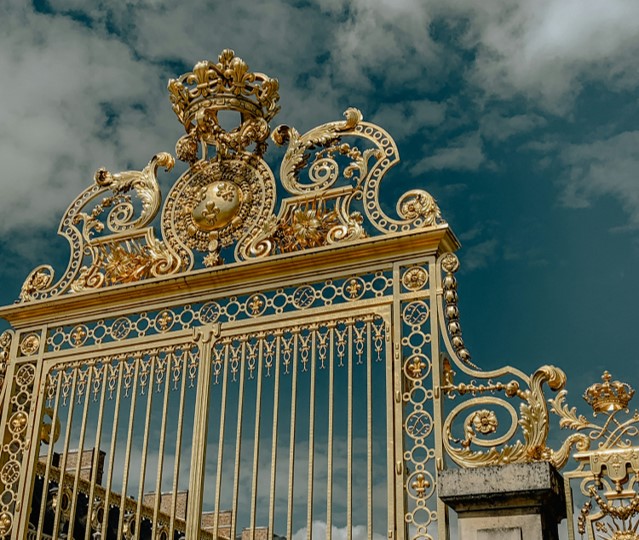
The picture is of Jerusalem, or perhaps of the temple itself, with its great doors closed. Outside those gates stands a victorious army. At its head is the Lord. Not a gentle shepherd in this moment, not a patient teacher, but the Lord strong and mighty, the Lord mighty in battle.
A voice rings out:
Lift up your heads, O you gates. Be lifted up, you ancient doors, that the King of Glory may come in.
This is not a request. It is a royal command. The King has returned from battle and demands entry.
But then comes the surprising reply:
Who is this King of Glory?
The gates answer back! But not because they do not know the name of God. They ask because they are hesitating. They are pausing at the moment of surrender. They are feeling the weight of what it would mean to let a victorious warrior king come through their doors. Because once the King of Glory enters, nothing stays the same.
A warrior king does not visit. A warrior king occupies. A warrior king takes up residence. A warrior king rearranges the life of the city around his rule.
So the gates push back. They ask again:
Who is this King of Glory.
The answer comes louder, fuller, more overwhelming:
The Lord of hosts.He is the King of Glory.
The Lord of hosts means the Lord of heavenly armies. The commander of angelic forces. The One who fights for His people and cannot be resisted. This is not a safe God. This is not a tame God. This is not a God who fits neatly into the routines of a religious city. And the tension in the psalm is that even the Holy City hesitates to open.
We often read this psalm as a celebration, and it is. But it is also a confrontation. It places us right in that charged moment at the gate. Do we really want this King to come in? Jerusalem is not being asked to admire God from a distance. It is being asked to yield. To hand over control. To let divine authority replace human management. And that is always frightening.
Because glory is beautiful but it is also heavy. Majesty is attractive but it is also demanding. If the King of Glory enters, then lesser kings must step aside. If the Lord of hosts takes His place, then every other loyalty, every other power, every other claim must bow.
So the gates hesitate. And in that hesitation, we see ourselves.
Even worshipping people, even religious people, even people who sing about God’s greatness can find themselves pausing when that greatness comes too close. We like to praise a powerful God. We are less comfortable submitting to one.
Psalm 24 does not show us a city eagerly throwing its doors wide. It shows us a city being confronted by the reality of who God really is.
The trouble in the text is not that the King is absent. The trouble is that He is present. He is here. He is knocking. He is demanding entry.
And the gates must decide whether they will open.
When the King Is Welcomed
Grace in the World
If Psalm 24 shows us the tension at the gates, the rest of Scripture shows us what happens when those gates finally open. Where the King of Glory is welcomed, things change. Not because people become perfect, but because a new authority takes root. Lives that were shaped by fear, addiction, or shame begin to be reshaped by grace, truth, and hope.
We see this again and again in the story of God’s people. When Israel trusted the Lord as their warrior, they were delivered from slavery. When they trusted Him in the wilderness, they were sustained. When they trusted Him against overwhelming odds, they found victory that could not be explained by human strength alone.
And the same pattern continues today. Where Christ is welcomed as King, chains begin to fall. People discover forgiveness they never thought possible. Relationships that were fractured begin to heal. Communities marked by despair begin to imagine new futures.
This is not abstract theology. It is lived experience. In Salvation Army centres and corps halls, in recovery groups and food banks, in prayer meetings and street ministries, we see what happens when the King of Glory is allowed to reign. Order comes where there was chaos. Dignity returns where there was shame. Hope grows where there was resignation.
The King does not enter to dominate. He enters to restore. His strength is not for crushing His people but for fighting on their behalf. When the gates lift, the glory that comes in is not destructive. It is life giving. It is the presence of a God who is strong enough to save and gracious enough to stay.
Wherever Christ is welcomed, His victory becomes visible in changed lives and renewed communities.
When We Keep the Doors Partly Closed
Trouble in the World
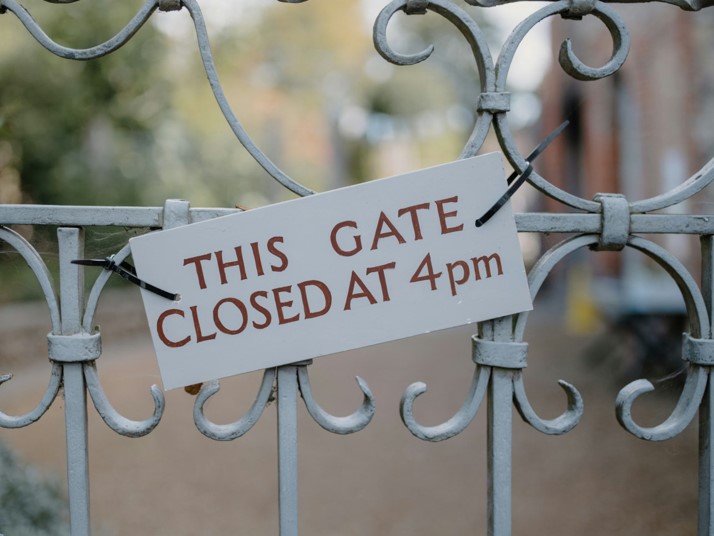
Psalm 24 shows us gates hesitating long ago, but look outside our windows, and our world shows us that gates still hesitate. And just like that first image, the doors that are still carefully managed today are the ones that we would probably expect would be the first to fling themselves wide.
We are not usually opposed to Jesus. We just prefer Him to stay in certain rooms. We welcome Him into our worship. We invite Him into our emergencies. We are glad to have Him near when we need comfort or forgiveness. But we are far more cautious when it comes to letting Him rule.
We have learned how to live with a curated Christ. A Jesus who fits our preferences. A Saviour who forgives but does not interfere. A Lord in name but not always in authority.
Our culture encourages this. We are trained to be in control. We design our lives, our identities, and even our beliefs to suit ourselves. We pick and choose what we like. We keep what is useful and quietly set aside what feels demanding. So when the King of Glory comes, we hesitate.
We hesitate to open the doors of our habits. The ways we spend our money. The way we treat our bodies. The things we watch, scroll, and desire. We hesitate to open the doors of our relationships. The grudges we hold. The boundaries we refuse to cross. The forgiveness we withhold. We hesitate to open the doors of our future. Our ambitions. Our sense of security. Our plans for what life should look like.
We sing about surrender, but we practise negotiation. We want Jesus to bless our choices rather than command them. And that leaves us restless. Because a life with locked rooms is never fully at peace. We know there is more, but we are afraid of the cost. We sense the King knocking, but we keep asking the same question.
Who is this King of Glory?
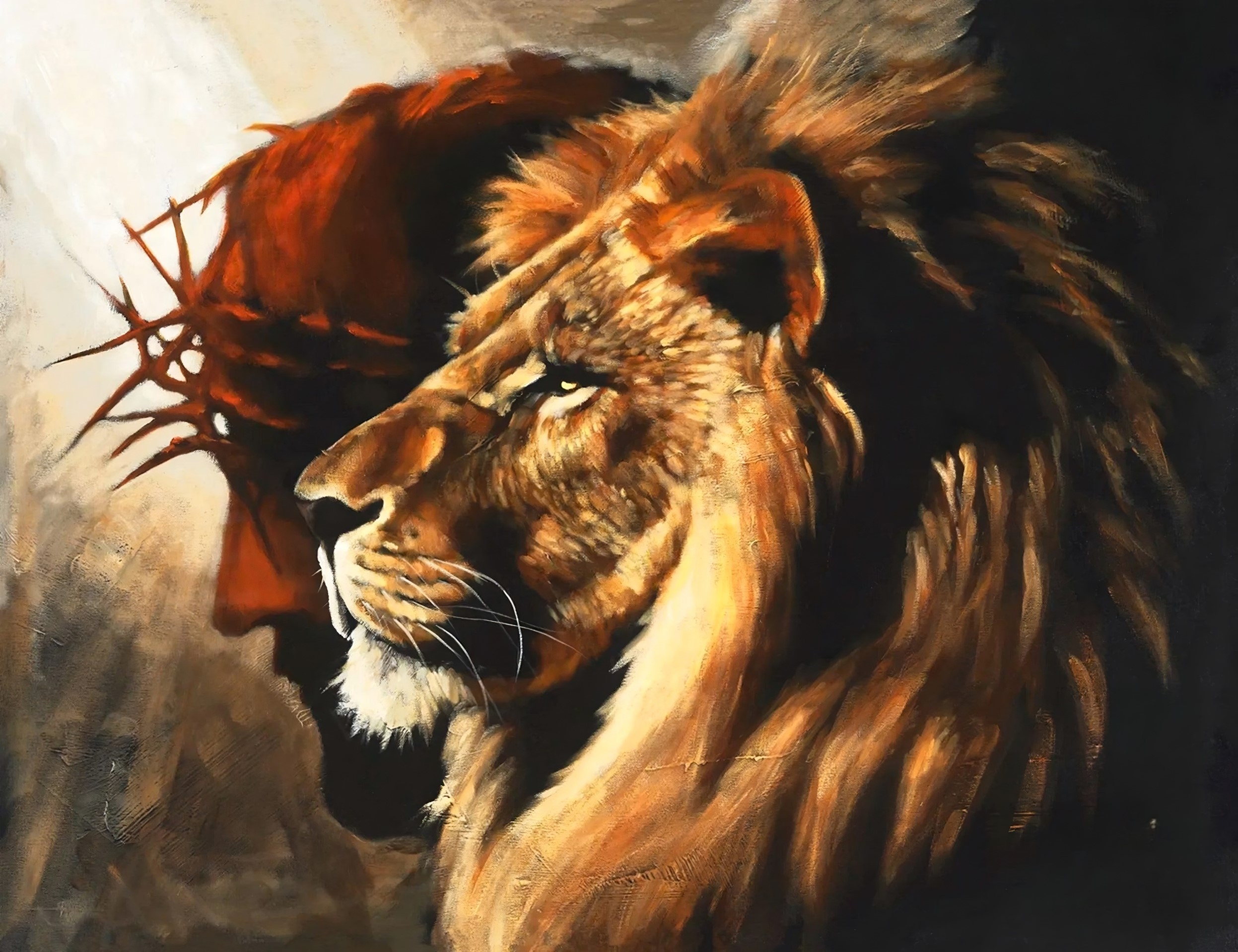
Not because we do not know the answer, but because we are not sure we want to live with what that answer means. We want the victory of Christ without the reign of Christ. We want His strength without His authority. We want the Lion without the throne.
When the King of Glory Comes In
Grace in the Text
Psalm 24 does not leave us standing forever at closed gates. It moves us toward a decision. The final declaration rings out.
The Lord of hosts. He is the King of Glory.
This is not simply a title. It is a promise. The One who commands the armies of heaven comes not as a tyrant but as a victorious deliverer. He comes having already fought the battles we could not fight for ourselves. He comes carrying the triumph of God over sin, evil, and death.
This is where the psalm leads us to Jesus.
On the cross, the King of Glory went into battle. He faced everything that holds humanity captive, our guilt, our brokenness, our fear, our rebellion, even death itself. And He did not retreat. He did not negotiate. He conquered. The resurrection is the proof that the battle has been won.
So when Christ stands at the gates of our lives, He is not asking permission to begin the fight. He is asking to bring His victory inside.
This mighty Warrior King does not come to destroy us. He comes to dwell with us. The One who is strong and mighty chooses to make His home in human hearts. The One who commands angels chooses to walk with ordinary people.
This is why worship matters so much. When we worship, we are not just singing. We are opening. We are lifting the gates of our hearts and saying to the King of Glory, come in. Take Your place. Rule here. And when He does, His glory becomes life. His authority becomes peace. His power becomes healing.
This is why the old hymn speaks so directly to this moment.
Swing wide the door of your heart to the King of kings.
It takes the language of Psalm 24 and makes it personal. The gates are no longer ancient doors in Jerusalem. They are the inner doors of our own lives.
Are you seeking joys that will not fade.Are you longing perfect peace to win.
The hymn knows us well. It names the restlessness that lives behind our locked rooms. And it offers the same invitation that Psalm 24 offers.
Bid Him welcome.
Not cautiously. Not partially. Not with conditions. But fully.
Because when the King comes in, wonderful peace comes with Him. He shelters us under His outstretched wings. He brings a reign that is both strong and gentle, both powerful and kind.
Psalm 24 ends with the declaration of who the King is. The song we are about to sing ends with the call of what we must do.
Now He calls you with His wondrous voice. Bid Him welcome. Make His will your choice.
This is where worship becomes discipleship. This is where praise becomes surrender. This is where the Lion who roars in victory becomes the King who reigns in our hearts.
So as we sing, we are not just responding emotionally. We are making a holy decision. We are choosing to swing wide the door, to lift the gates, to let the King of Glory come in and take His rightful place.